
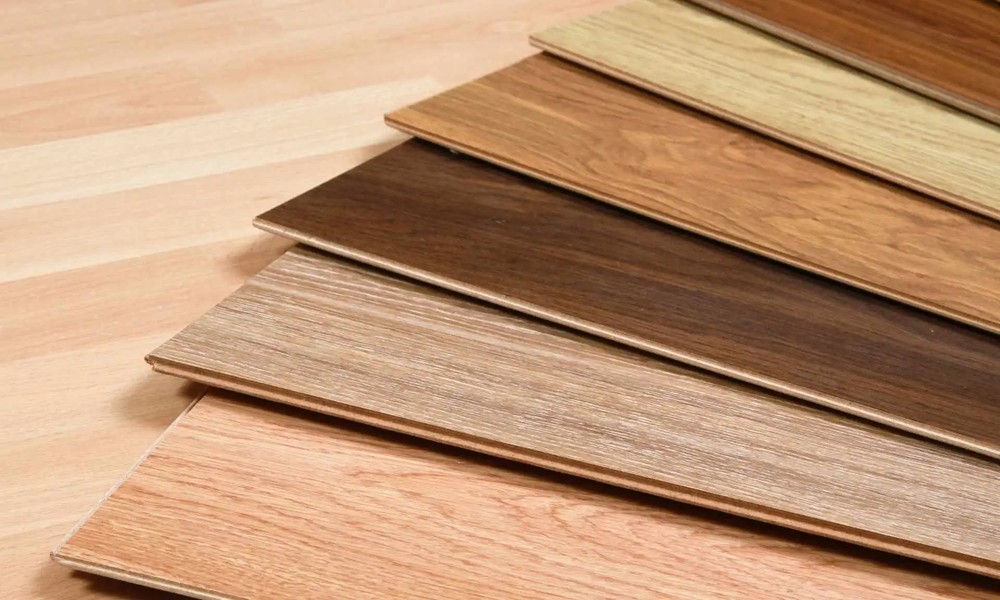
Today’s lifestyle is centred around sustainability, and this principle influences how houses are made, what materials will be used, and how the spaces inside a home look. Veneer has become a popular finish for people looking for responsible solutions to their design problems. It is made from natural resources and can be produced efficiently; it is a good choice to create beautiful spaces in an environmentally responsible way within modern interior design.
How to Understand Veneer as a Sustainable Material
Veneer is created through the sawing of very thin slices of wood. By using one log to create multiple sheets of veneer, much more material can be produced than building with solid wood. A single veneer sheet is capable of providing the same quality, appearance, and warmth of a solid wood product, but uses far less raw wood. By greatly reducing the volume of raw materials used to produce a finished product, veneer provides an alternative to the traditional solid wood finishes.
Reducing the Environmental Impact of Veneer Products
Veneer is a wood product that uses less wood for product applications and supports sustainable forestry practices and conservation of forests. Many veneer producers are committed to sourcing timber from sustainably managed plantations and/or using timber from responsibly managed forests to ensure that their timber source will continue to produce timber products while maintaining the ecological balance of timber products. Therefore, veneer is an excellent material to use to design and build eco-friendly interiors that place high value on sustainability while still providing products of high quality.
Longevity and Resource Efficiency
Sustainability is primarily determined by the way materials are procured; however, durability is another major component of sustainability. Veneer will usually perform well throughout its life and is not subject to frequent replacement. When applied to cabinetry, furniture, and wall panels, veneer can last for a long time, and there will be less material wasted as the veneer ages. Additionally, as veneer ages gracefully, it has an increased environmental value.
Natural Aesthetic With Minimal Processing
Veneer retains the original aesthetic of wood as compared to many manufactured products. Because veneer undergoes less processing during manufacturing, much less energy is consumed during production. Thus, veneer can be part of an environmentally responsible home interior design while still having a warm and classic look.
Multiple Uses of Veneer
Veneer can be used in many places in a home, such as cabinets, furniture, decorative items, wall panels and much more. The versatility of using veneer throughout a home allows designers to create a blended aesthetic for an entire space using one sustainable resource, reducing the need to use multiple resource-intensive finishes.
Making a Responsible Choice for Today’s Homes
Companies such as Royale Touche make veneer products that combine quality and sustainability, therefore enabling eco-conscious homeowners and designers to make informed decisions about the products they use based on their values.
Conclusion
Veneer is a unique sustainable material; therefore, using veneer in an interior setting is a great method of balancing natural beauty, responsible use of resources and durability. By using veneer, homeowners and designers can create beautiful, durable, and environmentally responsible interiors. Thus, using veneer is a wise choice for sustainable living in the future.