
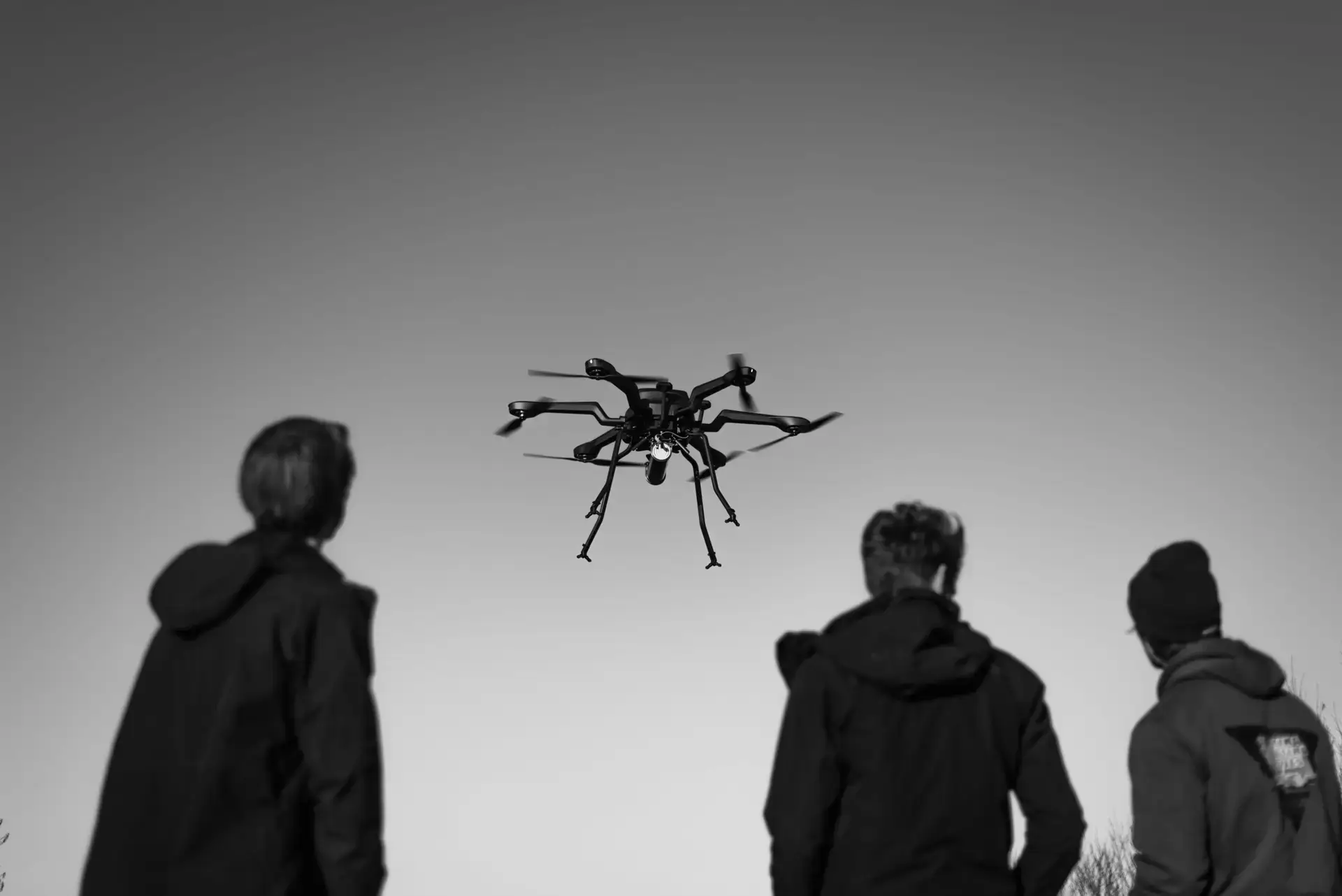
Commercial property assessment depends on the quality of data collected before decisions are made. Buyers, lenders, and asset managers need condition information that goes beyond surface appearances. The inspection method used determines how much information actually surfaces. Aerial inspection programs now deliver structured condition reports that cover asset categories that traditional ground-level assessments address only partially.
The introduction of real estate drone photography and inspection into commercial property programs has changed what condition reports contain and how comprehensively they cover the asset. A report produced from aerial data captures roof conditions, facade integrity, drainage performance, and surrounding site conditions within a single coordinated survey. This is rather than across multiple specialist visits. That consolidated scope gives decision-makers a more complete picture of the property before commitments are made.
Roof conditions documented
Commercial rooftops accumulate condition issues that ground-level inspection cannot assess without costly access equipment. Aerial inspection captures the full roof plane from consistent imaging angles. This produces documentation that covers membrane condition, ponding patterns, flashing integrity, penetration sealing, and drainage outlet performance across the entire surface area. Thermal imaging running alongside standard visual capture identifies moisture trapped beneath the membrane at locations that surface observation passes entirely over. The resulting report section gives buyers and lenders specific condition data on one of the highest-maintenance elements of any commercial asset.
Facade conditions receive the same documentation coverage. Cladding integrity, sealant joint condition, window frame performance, and surface staining patterns all appear in aerial imagery captured from consistent distances across the full building elevation. Multi-story facades that require suspended access platforms for manual inspection are covered within a single flight sequence, producing documentation that supports condition assessments without access equipment costs or scheduling delays.
Site conditions captured
Beyond the building envelope itself, aerial surveys document site conditions that affect property value and operational performance. Key site elements covered within a standard commercial aerial inspection report include:
- Paving and hardstanding surface condition across car parks, loading areas, and access routes
- Perimeter boundary condition, including fencing, retaining structures, and boundary wall integrity
- Surface drainage performance and ponding locations are identified through post-rainfall thermal or visual imaging
- Vegetation encroachment on building elements, drainage infrastructure, and boundary lines
- External plant and equipment condition covering rooftop HVAC units, external pipework, and utility structures
These site-level findings sit alongside building envelope data within the same report, giving reviewers a property-wide condition picture rather than a building-only assessment.
Data supports negotiations
Aerial inspection reports carry a level of specificity that changes how condition findings feed into transaction processes. Each identified condition item appears with georeferenced location data, supporting imagery, and, in most cases, a severity classification. That structure produces reports with three distinct practical applications:
- Condition baseline establishment – Reports produced at acquisition provide a documented baseline against which future inspection cycles measure deterioration or improvement across every covered element.
- Transaction negotiation support – Condition findings presented with supporting imagery and precise location data carry more weight in negotiation processes than verbal assessments or written observations without visual evidence.
- Maintenance prioritization – Severity classifications attached to identified conditions give asset managers a structured starting point for maintenance scheduling decisions based on documented evidence rather than visual estimates from ground level.
Commercial property drone inspection reports deliver condition documentation that covers the full asset scope within a consolidated output. The data are combined into a structured report that supports acquisition decisions and ongoing asset management. This report has a level of detail and coverage that conventional inspection methods rarely match within the same timeframe.