
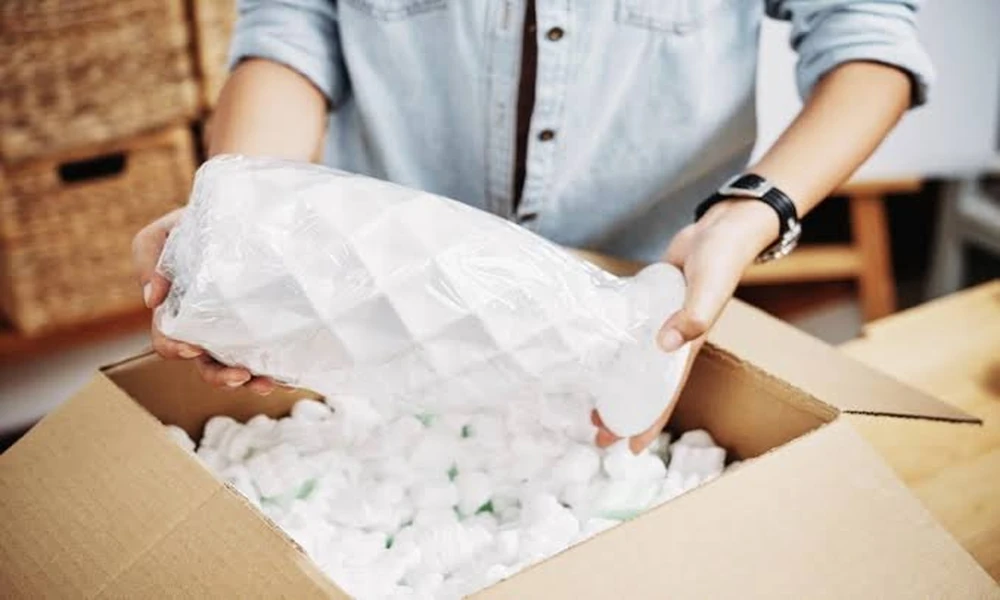
Delicate items like glassware, electronics, ceramics, and décor require more than just a layer of bubble wrap.
They respond differently to pressure and movement. So how you pack them can determine what condition they are in when the boxes are opened.
Sort fragile belongings before you begin
Don’t wait until clutter gets all over the house to know what needs extra attention. Before packing, make a separate group of fragile items.
Search for items that are made of:
- Glass
- Porcelain
- Mirrors
- Electronics
- Objects with fragile surfaces.
It makes it easier to figure out how much protective material you will need. Sorting also ensures that your fragile belongings don’t find themselves next to heavier household items.
Select the boxes that fit the contents
If the box is large, it will leave room for movement. If it’s too small, it can jam things against each other.
Select boxes that are sturdy and have enough room for padding. Smaller boxes may be more convenient to handle and less likely to become “too heavy” for particularly delicate belongings.
However, do not expect a good box to compensate for bad packing. There’s still work to do with positioning the contents. If it’s too much work for you, consider Arrow Moving professional packers.
Wrap items separately
If there are multiple fragile items piled on top of each other in one section of padding, they have a chance to collide. Wrap each piece alone. Pay special attention to:
- Corners
- Handles
- Protruding parts.
Wrap individual pieces of glassware and dishes with suitable wrappings. Plates are safer when stacked vertically with cushioning around them than when stacked with no cushioning.
Fill empty spaces
After putting the items in the box, see if they can move. Shake gently before sealing the box. If you can hear or feel significant movement, add suitable cushioning material.
The purpose is to maintain stability of goods while in transit. But don’t also pack items so tightly in the boxes.
Assign different positions to heavy and light items
Weight distribution matters. Heavy items on top of lighter/fragile items can cause damage, even wrapped.
Put heavy objects down and lighter ones on top in the box. If you need to pack more than one type of load together, separate heavy loads with strong packing materials.
Pay attention to electronics
Electronic devices need to be shielded from movement and impact.
- Take out loose parts as necessary
- Cover screens
- Wrap devices individually before putting in boxes.
If you have the original packaging at all, it can be helpful because it was created with the dimensions of whatever product it is. If not, select a box that will offer enough cushioning without being loose.
Clearly label fragile boxes
A basic “fragile” label indicates that the box requires extra care. When required, mark which side should stay upright. Especially for objects that could be damaged if turned over.
Avoid packing in a rush
Start with fragile items early enough. This will allow you enough time to adequately:
- Wrap them
- Inspect the boxes
- Fix anything that seems shaky.
The last tip
Packing fragile items shouldn’t be complicated. It only requires the right materials, sensible weight distribution, and enough time to prepare each item properly.