
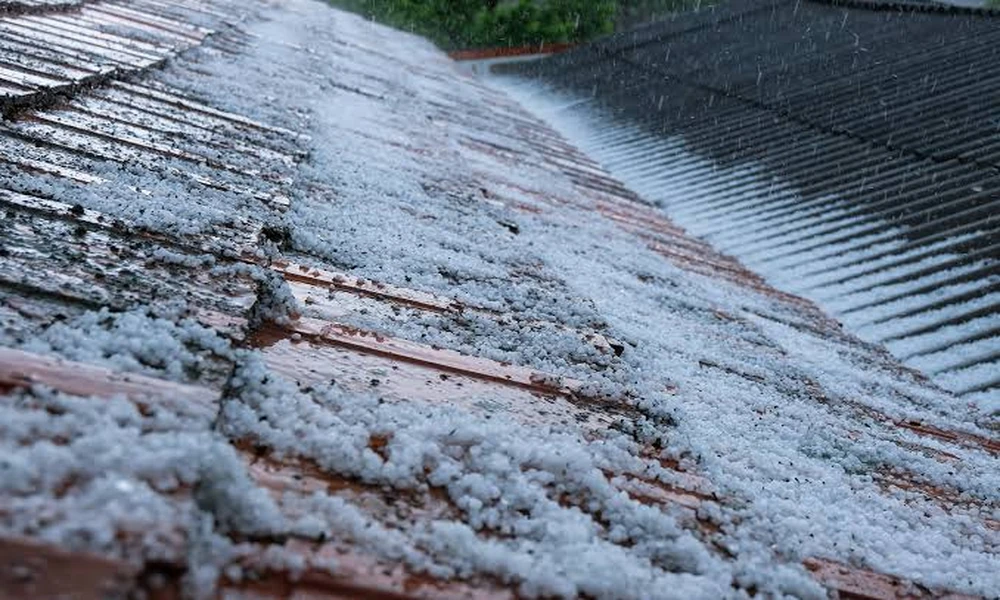
The storm lasted maybe six minutes. Ice rattled off the patio furniture, the sky turned a bruised green, and then it was over, leaving the street dotted with white pebbles melting in the sun. Most people along the Front Range shrug off an afternoon like that, especially when nothing is dented and nothing leaks. Roofers see it differently. A Boulder based, woman owned crew such as Roof Masters of Colorado, LLC spends a lot of time on rooftops after storms like this, and the pattern is usually a quiet one. The roof looks fine from the driveway, yet something has changed up there, and it tends to announce itself months or years later.
The Myth of the Harmless Little Storm
Ask around and you will hear that only golf-ball hail matters. That belief is easy to hold because big hail leaves obvious wreckage, while small hail leaves almost nothing you can photograph.
The research points the other way. The Insurance Institute for Business and Home Safety, a nonprofit that studies how buildings fail in severe weather, published findings in 2025 showing that hailstones under an inch across can weaken a shingle’s ability to survive later, larger hail. Shingles that had both weathered naturally and taken small hits were roughly ten times more vulnerable to a later severe storm. In other words, the little storms do not do much on their own day, but they set up the big one. Since asphalt shingles cover about 80 percent of American homes, that finding applies to a lot of rooftops.
What Happens Up There When Nobody Is Watching
A shingle is an asphalt mat topped with tiny mineral granules. Those granules are not decoration. They shield the asphalt from ultraviolet light and help shed heat.
When hail strikes, it can knock granules loose or bruise the mat underneath, leaving a soft spot that may not crack for a while. Along the Front Range the sun is intense at altitude, and the temperature can swing from warm afternoon to hard freeze overnight. A bruised or bare patch gets baked by UV, then soaked, then frozen, and the asphalt ages faster each cycle. Nothing dramatic happens, which is exactly the problem. The shingle simply wears out years ahead of schedule.
A Ground-Level Check You Can Do With Coffee in Hand
You do not need a ladder, and you should not climb a steep or wet roof anyway. After any hail event, a slow walk around the property tells you plenty.
- Look at the spots where gutters empty onto the ground. A scattering of granules, like coarse dark sand, means the shingles are shedding more than usual.
- Check soft metals such as roof vents, flashing, and ridge vents for dings. Aluminum and copper record hail like a notebook.
- Inspect things that are not the roof, including the air conditioner fins, window screens, deck rails, and painted fences. Dents there give you a fair idea of how large the stones really were.
- Stand back in low morning or evening light and scan the shingles from an angle. Dark patches, shiny patches, or a speckled look can mark impacts.
- After the next heavy rain, step into the attic if you can do it safely and look for damp insulation or fresh stains on the underside of the decking.
If a few of these turn up something, take dated photos right away. Phone pictures of gutters, vents, and the yard are inexpensive proof of what the storm did.
Why the Calendar Matters More Than You Think
Roof damage and insurance share an awkward relationship with time. Policies set windows for filing a claim, and many carry a separate wind and hail deductible, sometimes expressed as a percentage of the home’s insured value instead of a flat figure. Waiting a year to see whether a leak appears can leave you with a repair that is no longer covered, or with a gray area over which storm caused what.
A simple habit helps. Write down the date of any storm that produced hail at your address, note the stone size if you saw it, and save the photos in one folder. Neighbors comparing notes can also help, since hail falls in narrow bands and the house two streets over may have been spared.
Repair, Coat, or Start Fresh
Once you know there is damage, the choice usually comes down to age and spread.
A roof under ten years old with a few clearly damaged areas is often a repair candidate. A roof with widespread bruising, scattered granule loss across several slopes, or hail marks on multiple layers of age is usually a replacement conversation, since patching a worn roof can trade one problem for three. Flat and low slope roofs on commercial buildings sometimes qualify for a restorative coating, which can add protection over a membrane that is still sound.
If you do replace, be wary of the label on the bundle. The IBHS lab has tested dozens of shingles marketed as impact resistant using manufactured hailstones, and results ranged from excellent to poor. The name on the package is not a performance guarantee. Ask the contractor which product they plan to use, then look up its rating yourself rather than relying on the sales pitch.
Choosing Who Climbs Up There
After a big storm, trucks with out of state plates and door knockers with clipboards show up faster than the clouds clear. Some are legitimate. Plenty are not, and a few disappear before the warranty paperwork does.
A short list of questions sorts most of them out. Does the company have a local address you can visit, and has it been around long enough to have a track record you can verify through reviews and the Better Business Bureau? Can they show proof of insurance and manufacturer certifications? Will they put a written scope and photos of the damage in your hands before asking for a signature? Be especially careful with any paperwork that hands over your insurance claim rights. You should read every line of that before it goes anywhere near a pen.
It also helps to have a second opinion on the damage itself. An honest roofer will not mind you getting one, and many will gladly point out which slopes are fine.
Small Habits That Stretch a Roof’s Life
Most of what extends a roof’s life is unglamorous. Keep gutters clear so water does not back up under the lower courses. Trim branches that scrape or drop debris. Walk the property once in late spring after hail season starts and again in early fall before the first freeze. And keep that folder of storm dates and photos going from year to year.
Over a decade, those small checks tend to add up to the difference between a roof that ages on schedule and one that gives out with the next storm. Hail is not going away from the Front Range, so the best protection is simply knowing what your roof has been through and paying attention before a six minute storm turns into a six figure surprise.