
Introduction
Preparing a commercial asphalt estimate is an essential part of every paving project. Before any work begins, contractors carefully study the site and calculate the resources needed to complete the job. A well-prepared estimate helps property owners understand the expected costs, project timeline, and work involved. It also helps contractors organise materials, labour, and equipment more effectively. Since every commercial paving project is different, several factors influence how an estimate is prepared. Understanding these factors can help businesses make informed decisions and plan their budgets with greater confidence.
Many contractors also rely on proven planning methods and Contractors Prepare Commercial Asphalt Insights to improve the accuracy of their estimates before construction begins. By reviewing site conditions, measuring project dimensions, and identifying potential challenges early, they can develop realistic cost projections and minimise the risk of unexpected expenses. This detailed approach not only helps property owners understand the scope of work but also supports better scheduling, resource allocation, and smoother project execution from start to finish.
Project Size and Layout
The size of the paving area is one of the first factors considered during the estimating process. Larger projects require more asphalt, labour, equipment, and time, which increases the overall cost.
The layout of the property also affects the estimate. Areas with multiple parking sections, driveways, loading zones, or irregular shapes may require additional planning and specialised equipment.
Existing Site Conditions
The condition of the current pavement plays an important role in preparing an accurate estimate. Contractors examine the site to check for cracks, potholes, uneven surfaces, drainage issues, and other conditions that may affect the project.
If the existing pavement is badly damaged, it may need repairs or complete removal before the new asphalt is laid.
Site Preparation Requirements
Proper site preparation is necessary before paving begins. Contractors evaluate whether grading, excavation, debris removal, or foundation improvements are needed.
Projects that require extensive preparation generally involve higher costs because they require extra labour, materials, and equipment. A solid foundation helps make the finished pavement stronger and more durable.
Material Selection
The type and quantity of materials used directly affect the estimate. Contractors consider factors such as pavement thickness, expected traffic volume, and local weather conditions when selecting suitable materials.
Using quality materials may increase the initial cost, but it often results in a longer-lasting pavement that requires less maintenance over time.
Labour and Equipment
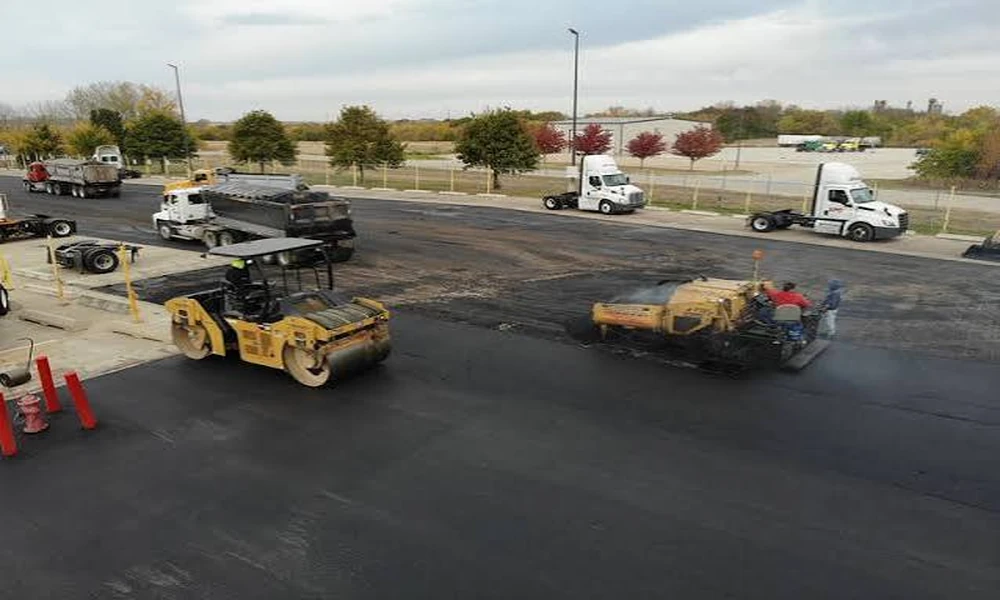
Commercial asphalt projects require experienced workers and specialised machinery. Contractors estimate the number of workers, equipment, and working hours needed based on the size and complexity of the project.
Larger or more challenging projects usually require additional resources, which increases the overall estimate.
Accessibility and Project Conditions
Site accessibility can also influence the estimating process. Limited access, busy commercial locations, traffic management requirements, and restricted working hours may increase labour time and operational costs.
Contractors also consider project scheduling and delivery logistics to ensure the work can be completed efficiently without unnecessary delays.
Conclusion
Preparing a commercial asphalt estimate involves careful planning and a thorough assessment of several key factors. Project size, site conditions, preparation requirements, material selection, labour, equipment, and accessibility all contribute to the final estimate. By carefully assessing these elements, contractors can provide accurate estimates that help property owners budget effectively and prepare for successful paving projects. A detailed estimate creates a strong foundation for efficient project management and helps reduce the risk of unexpected costs during construction.