
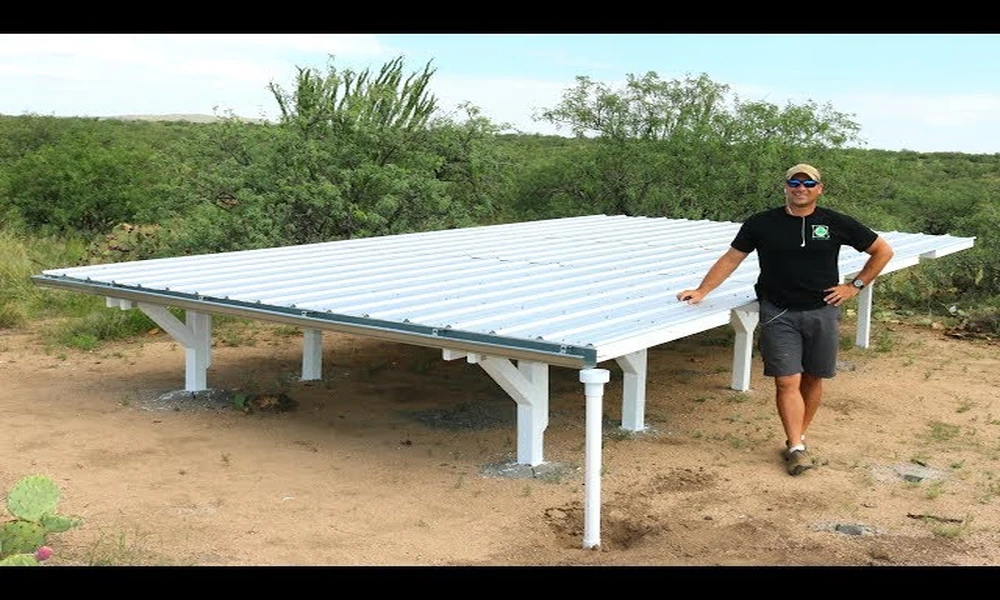
Two inches of rain falling on a 2,000 square foot roof works out to roughly 2,500 gallons of water. In Central Texas, that much can arrive in under an hour, sheeting off shingles and metal panels faster than most gutters were ever sized to handle. Every roof in New Braunfels, Wimberley or Dripping Springs collects that water whether anyone plans for it or not. The real question is where it ends up.
That framing explains why some local contractors now treat roofing and water management as one job rather than two. Barbarian Roofing works out of New Braunfels across the Hill Country and the San Antonio corridor, pairing roof installs, repairs and rejuvenation treatments with seamless gutters and rainwater collection systems. Whoever ends up on your roof, the thinking behind that approach is worth understanding before your next big exterior decision.
Doing the rain math before a storm does it for you
The rule of thumb used across Texas is about 0.62 gallons of runoff per square foot of roof for every inch of rain. Multiply your home’s footprint (not the sloped surface area) by that figure and the numbers climb quickly. A modest 1,800 square foot house sheds more than 1,100 gallons from a single inch.
Over a full year, the totals surprise people. New Braunfels typically sees somewhere in the range of 34 to 36 inches of rain, which puts that same house above 37,000 gallons of potential runoff. Not all of it can be captured. Light showers barely wet the surface, and tanks fill up during the big events. Still, the figure shows why one sagging gutter or a short downspout can push thousands of gallons toward a foundation in an afternoon.
Local soil makes it worse. Much of the land between San Antonio and Austin sits on expansive clay that swells when soaked and shrinks during drought. Water dumped beside a slab again and again is one of the fastest routes to foundation movement, cracked drywall and doors that suddenly stop latching.
What the roof surface puts into the water
Once you see the roof as a catchment surface, the material on it starts to matter, especially for anyone thinking about storing water. Engineers at the University of Texas studied this question for the state’s water planning agency, testing asphalt shingles, metal, concrete tile and newer cool and green roof options. Their work shaped much of the guidance homeowners hear today.
- Metal panels such as Galvalume generally produced the cleanest harvested water and shed debris quickly, which is why metal is the usual pick for systems meant for household use after treatment.
- Asphalt fiberglass shingles release granules and organic compounds, so water from them suits gardens and landscaping but is a weaker choice for anything potable.
- Concrete tile held up reasonably well in testing, though its porous surface absorbs more water at the start of each storm.
- Green roofs kept turbidity low but added dissolved organic carbon, which complicates drinking water use.
The Texas Water Development Board’s rainwater harvesting resources go much deeper on first flush diverters, filtration and tank sizing for anyone planning a serious system.
Age plays a role as well. Older shingles shed more granules, and a roof losing them is also losing its UV shield. That steady trickle of grit in the gutters is often the first hint that a surface is nearing a decision point.
Gutters are the handoff, and most are undersized
A roof can be perfectly sound and still cause water damage if the handoff fails. Standard 5 inch K style gutters were designed for steadier rainfall than the bursts that roll through what meteorologists call Flash Flood Alley. During a cloudburst they overflow at the corners, pour behind the fascia and soak the soil right where the foundation needs it driest.
Contractors around the region increasingly recommend 6 inch seamless gutters paired with oversized 3 by 4 downspouts, spaced so no single outlet drains a huge share of the roof. Seamless runs remove most of the joints where leaks begin. Downspouts should discharge several feet away from the house or feed straight into a storage tank instead of splashing onto a pad beside the slab.
Roof valleys deserve a closer look too. Where two planes meet, water concentrates and moves fast enough to overshoot a gutter completely. A small diverter or a better placed gutter section can cure a recurring wet spot that homeowners often blame on plumbing.
Hail and heat wear down the catchment
Central Texas roofs take punishment from two directions. Spring hail bruises shingles and dents softer metal, knocking granules loose and leaving weak points that may not leak for months. Summer heat then bakes the asphalt, drying out the oils that keep shingles flexible. Attic temperatures that climb past 140 degrees speed the process from underneath.
A brittle shingle cracks more easily under the next hailstone, and a cracked shingle sends water into the roof deck instead of the gutter. The condition of the surface affects both how well the roof protects the house and how much usable water it delivers.
Not every tired roof needs tearing off, though. Rejuvenation treatments, usually soy based oils sprayed onto aging asphalt shingles, restore some of that lost flexibility and help granules stay anchored. They tend to work best on middle aged roofs, often somewhere in the 7 to 15 year range, that are still structurally sound. They can add several years of service for a fraction of replacement cost. They won’t repair hail fractures, soft decking or missing shingles, so a thorough inspection should always come first. After a storm, getting hail damage documented before any treatment also keeps insurance options open.
Planning the roof and the tank together
The most efficient setups are designed at the moment a roof is replaced. That’s when a homeowner can choose a collection friendly material, size gutters for the tank rather than just the storm, and route downspouts toward a single storage point. Retrofitting later is entirely possible but usually means compromises on tank placement and extra piping.
Texas also makes harvesting easier than many states. Rainwater collection equipment is exempt from state sales tax, and state property law prevents homeowners associations from banning these systems outright, though they can still regulate where tanks sit and how they look. In rural stretches of Comal, Blanco and Hays counties, where wells run low during drought, some families depend on roof catchment as their main water supply.
Even a small system changes how a property behaves in bad weather. A pair of 500 gallon tanks feeding drip irrigation can keep landscaping alive through August watering restrictions while taking pressure off the foundation during spring downpours.
Seeing the roof this way shifts the questions worth asking during any inspection or quote. Beyond whether it leaks, it helps to know where its water travels, what the surface adds along the way and whether the gutters can keep pace with a Hill Country storm. A roof that answers all three well protects the home from the shingles down to the slab, and in a region that swings between drought and deluge, it might also become one of the most useful water sources on the property.