
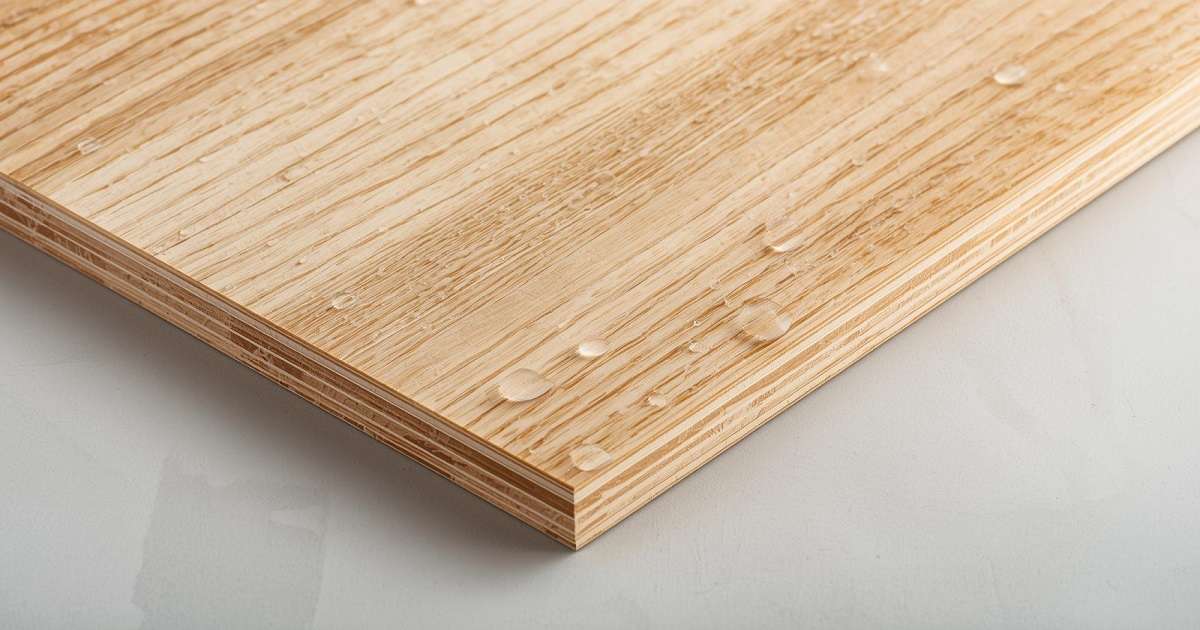
Plywood is one of the most widely used materials in furniture making, interior design, and construction. However, not all plywood types offer the same level of performance. Two commonly used varieties are waterproof plywood and regular plywood. Understanding the differences between these two options helps homeowners, designers, and contractors choose the right material for specific applications.
Water Resistance
The primary difference between waterproof plywood and regular plywood lies in their ability to resist moisture. Waterproof plywood is manufactured using waterproof adhesives that bond the veneer layers together under high pressure. This bonding prevents water from penetrating the internal layers of the board.
plywood, on the other hand, is typically made with standard adhesives that are not designed to resist prolonged exposure to moisture. When exposed to water or high humidity, regular plywood may absorb moisture, which can cause swelling, weakening, or surface damage.
Durability and Strength
Waterproof plywood is designed to maintain its structural integrity even in damp or humid environments. Because the layers are bonded with strong waterproof adhesives, the panel remains stable and resistant to damage caused by moisture exposure.
Regular plywood performs well in dry indoor conditions but may not offer the same level of durability when used in areas exposed to moisture. Over time, repeated contact with water can weaken the adhesive bond and affect the strength of the panel.
Suitable Applications
Waterproof plywood is commonly used in areas where moisture exposure is expected. These include kitchen cabinets, bathroom furniture, balcony storage units, and outdoor furniture applications where water resistance is essential.
Regular plywood is typically used in interior furniture or construction projects where moisture exposure is minimal. It is suitable for items such as wardrobes, wall panels, and decorative furniture that remain in dry indoor environments.
Cost Differences
Another factor that distinguishes waterproof plywood from regular plywood is cost. Waterproof plywood generally costs more because of the higher-quality adhesives and manufacturing processes required to make it resistant to water.
Regular plywood is usually more affordable and widely used for general interior applications where water resistance is not a primary requirement.
Long-Term Performance
Waterproof plywood tends to offer longer service life in environments where humidity or water exposure is common. Its ability to resist moisture damage helps prevent issues such as swelling, warping, or delamination.
Regular plywood may perform well in controlled indoor environments, but it may deteriorate more quickly if exposed to moisture or fluctuating environmental conditions.
Conclusion
Choosing between waterproof plywood and regular plywood depends on the conditions in which the material will be used. Waterproof plywood offers superior moisture resistance, durability, and long-term reliability for damp environments. Regular plywood remains a practical choice for dry indoor applications where water exposure is limited. By understanding these differences, users can select the most suitable plywood type for their specific furniture or construction needs.