
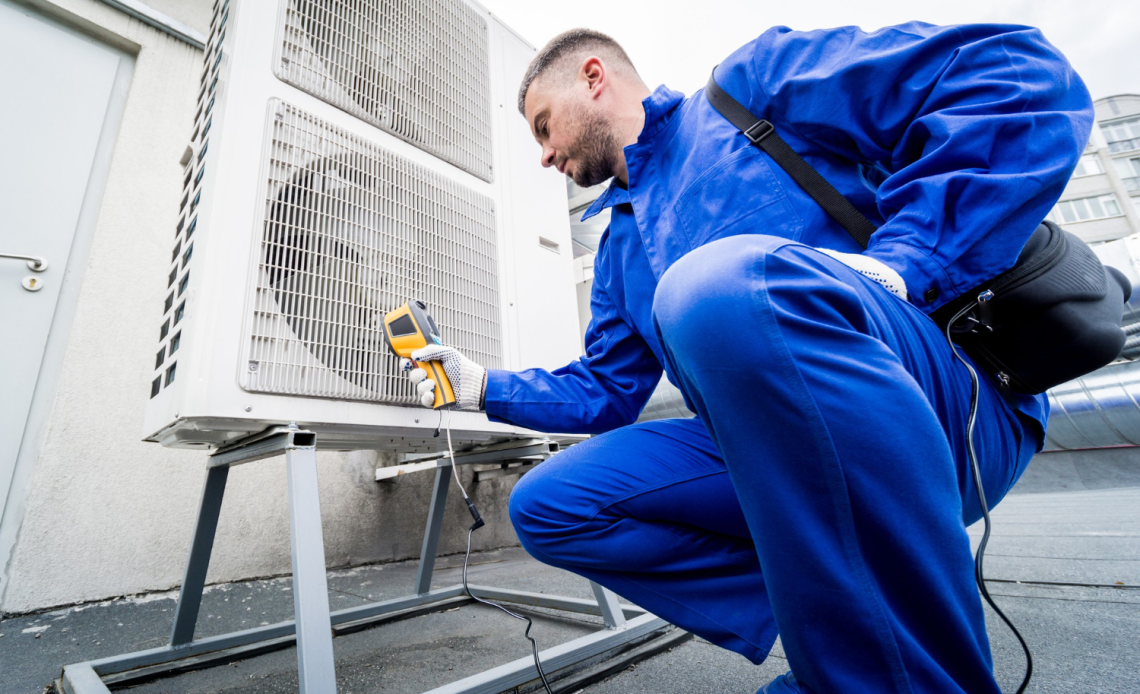
A heat pump is one of the hardest-working systems in your home, keeping you comfortable through both hot summers and chilly winters. Because it operates year-round, it experiences more wear and tear than many other HVAC systems. Unfortunately, many homeowners don’t realize something is wrong until the unit stops working altogether, often leading to expensive emergency repairs.
Learning to recognize the early warning signs of heat pump trouble can save you money, prevent unexpected breakdowns, and extend the lifespan of your system. If you notice unusual performance, scheduling heat pump repair Cordova, TN early can help prevent a minor issue from becoming a major repair.
Why Early Detection Matters
Heat pumps rarely fail without warning. In most cases, they show subtle signs that something isn’t functioning correctly. Ignoring these symptoms forces the system to work harder, increasing energy consumption and placing additional stress on critical components.
Addressing problems early offers several benefits:
- Lower repair costs
- Improved energy efficiency
- Better indoor comfort
- Longer equipment lifespan
- Reduced risk of complete system failure
Paying attention to small changes in your system’s performance can make a significant difference.
Your Energy Bills Suddenly Increase
One of the earliest indicators of a struggling heat pump is a noticeable rise in utility bills.
If your usage habits haven’t changed but your monthly energy costs continue climbing, your heat pump may be operating less efficiently. Dirty coils, refrigerant leaks, worn motors, or airflow restrictions can all force the system to consume more electricity while delivering less heating or cooling.
Compare recent bills with those from the same season in previous years. A steady increase without explanation often signals the need for inspection.
Uneven Temperatures Throughout the Home
A properly functioning heat pump should provide consistent temperatures from room to room.
If certain areas feel too warm while others remain cool, your system may be struggling to distribute air effectively. Although ductwork issues can sometimes be responsible, uneven temperatures may also point to:
- Compressor problems
- Failing blower motors
- Low refrigerant
- Dirty air filters
- Airflow restrictions
Ignoring inconsistent comfort often allows the underlying problem to worsen.
Strange or Unusual Noises
Heat pumps normally produce a gentle humming sound while operating.
However, new or louder noises should never be ignored. Different sounds often indicate different issues:
- Grinding may suggest worn motor bearings.
- Banging can indicate loose internal components.
- Squealing often points to belt or motor problems.
- Clicking that repeats frequently may signal electrical issues.
- Rattling can indicate loose panels or debris inside the unit.
Any persistent unusual noise deserves professional attention before additional damage occurs.
Frequent Cycling
Your heat pump naturally cycles on and off throughout the day.
If it begins turning on and off every few minutes, known as short cycling, something is preventing it from completing a normal heating or cooling cycle.
Possible causes include:
- Dirty air filters
- Thermostat malfunctions
- Refrigerant problems
- Electrical issues
- Oversized equipment
Short cycling increases wear on the compressor, which is one of the most expensive components to replace.
Weak Airflow
Reduced airflow often develops gradually, making it easy to overlook.
If less air is coming from your vents than usual, the system may be dealing with:
- Clogged filters
- Blocked ductwork
- Blower motor problems
- Dirty evaporator coils
Weak airflow forces the heat pump to operate longer, increasing both energy costs and equipment strain.
The Heat Pump Runs Constantly
While extreme weather may require longer operating times, your heat pump shouldn’t run continuously under normal conditions.
A system that rarely shuts off may be experiencing:
- Low refrigerant
- Dirty coils
- Incorrect thermostat settings
- Aging components
- Compressor inefficiency
Continuous operation not only wastes energy but also accelerates wear throughout the system.
Ice Building Up on the Outdoor Unit
It’s normal for some frost to appear during cold weather, and most systems automatically enter a defrost cycle to remove it.
However, heavy ice accumulation that doesn’t disappear is a warning sign.
Potential causes include:
- Refrigerant leaks
- Defrost control failure
- Blocked airflow
- Faulty outdoor fan motor
Excessive ice reduces efficiency and can eventually damage internal components if left untreated.
Strange Odors Around the System
A heat pump should not produce strong or unusual odors.
Musty smells may indicate mold or mildew growing within the system, especially if moisture has accumulated in the drain lines.
Burning odors could signal overheating electrical components or wiring issues that require immediate inspection.
Any persistent smell should be investigated promptly for both safety and indoor air quality reasons.
Poor Heating or Cooling Performance
Perhaps the most obvious sign of trouble is when the system simply isn’t maintaining the desired indoor temperature.
If your thermostat is correctly set but your home still feels uncomfortable, your heat pump may have:
- Refrigerant loss
- Compressor issues
- Sensor problems
- Airflow restrictions
- Electrical component failures
Reduced performance often develops gradually, making regular observation important.
Moisture or Refrigerant Leaks
Water pooling around the indoor unit may indicate a clogged condensate drain, while oily residue or refrigerant leaks require immediate professional attention.
Refrigerant doesn’t simply “run out.” If levels are low, there’s almost always a leak somewhere within the system.
Ignoring leaks can reduce efficiency, damage the compressor, and increase repair costs over time.
Don’t Ignore Small Problems
Many homeowners postpone repairs because the system is still functioning “well enough.” Unfortunately, small HVAC issues rarely resolve themselves.
A loose electrical connection today could become a failed compressor tomorrow. A minor refrigerant leak could eventually lead to complete system shutdown.
Routine maintenance and early repairs remain the most cost-effective way to keep your heat pump operating reliably throughout the year.
Conclusion
Spotting the early signs of heat pump failure is one of the best ways to protect your home’s comfort, reduce energy costs, and prevent expensive HVAC repairs. Symptoms such as inconsistent temperatures, strange noises, short cycling, poor airflow, ice buildup, and higher utility bills should never be ignored, as they often indicate developing mechanical or electrical issues.
Regular maintenance and timely repairs not only improve your heat pump’s efficiency but also help extend its lifespan and maintain reliable performance throughout every season. By acting quickly when problems arise, homeowners can avoid unexpected breakdowns and enjoy consistent indoor comfort. Investing in professional heat pump inspections and preventative maintenance is a smart way to ensure your heating and cooling system continues operating safely, efficiently, and dependably for years to come.