
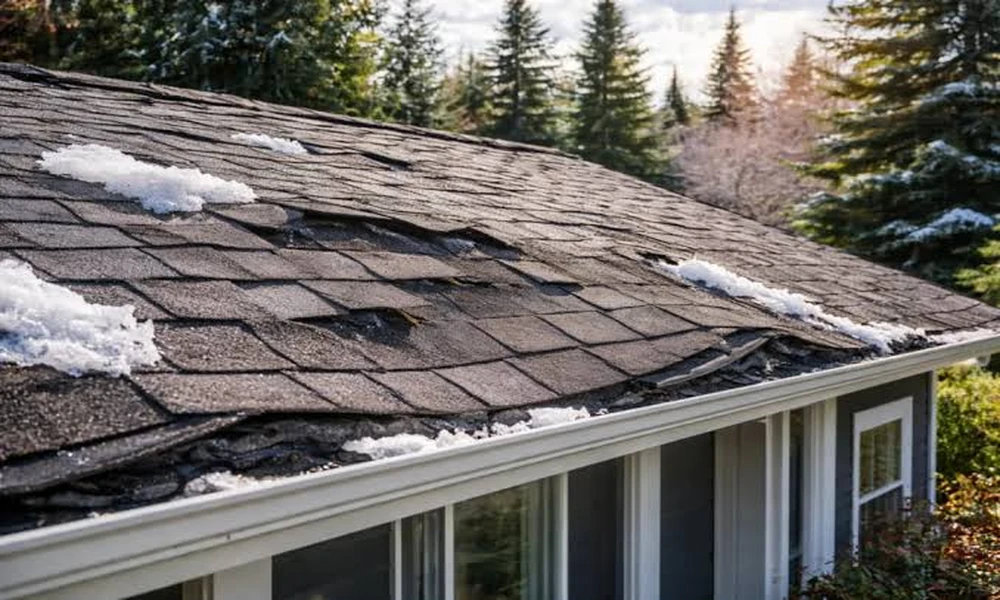
A roof can look perfect from the driveway on a January morning and still be letting water in. Most winter roof damage doesn’t come from one dramatic storm. It builds up over weeks of snow, melting, refreezing and wind. By spring, a ceiling stain or a sagging gutter is often the first sign that something went wrong months earlier.
Places with mild, damp winters are often the hardest on roofs. They rarely stay frozen for long. Instead, temperatures swing above and below freezing again and again, sometimes within a single day. Each swing moves water into small gaps and then expands it as ice.
That is why inspectors look past the shingle surface. When a roofing company in Chantilly checks a house after a rough winter, the problems tend to sit at the edges and seams. They find lifted flashing, cracked pipe boots, soaked insulation and decking that has gone soft near the eaves. The field of shingles in the middle can look almost new.
The easiest way to see how this happens is to follow one winter on one roof.
Late Fall Sets the Stage
Winter damage usually starts before the first snowflake. Leaves and pine needles pack into gutters and valleys. When the gutters can’t drain, water backs up under the first row of shingles. Once temperatures drop, that standing water freezes solid.
Fall is also when small defects get ignored. A slightly raised shingle tab or a hairline crack in the rubber collar around a vent pipe seems harmless in October. After a few months of ice working into it, it becomes a leak.
Snow Brings Heat Into the Story
The roof’s worst winter enemy is often warm air from inside the house. Ice dams form when heat leaking from living space warms the upper roof and melts the snow there, while the overhangs stay as cold as the outdoors. Meltwater runs down, hits the cold eave, and refreezes into a ridge of ice.
Water then pools behind that ridge. Shingles are made to shed water running downhill, not to hold back standing water. So the pooled water works sideways and upward under the shingles, into the deck, and sometimes into the walls.
The University of Massachusetts Building and Construction Technology program explains in its guide to preventing ice dams that a dam needs three things: snow, heat to melt it, and cold to refreeze the water. Take away the heat at the roof deck and the cycle weakens.
The heat usually escapes through ordinary gaps. Common culprits include attic hatches, recessed lights, bathroom fan housings, plumbing stacks, chimney chases, and thin insulation along the tops of outside walls. Fixing those gaps from inside the attic often protects a roof better than anything done on the shingles.
The Freeze and Thaw Grind
Between snowfalls, the real wear happens slowly. Water seeps into any opening during the day and expands as it freezes at night. Over dozens of cycles, that pressure:
- Loosens the sealant strips that hold shingle tabs down, so later winds can lift them more easily.
- Pries flashing away from chimneys and side walls where the caulk has dried out.
- Splits brittle rubber pipe boots, which often wear out years before the shingles do.
- Widens cracks in mortar crowns on top of chimneys, letting water travel down inside the masonry.
- Pulls gutter hangers loose under the weight of ice, tilting the gutter away from the drip edge.
None of these show up easily from the ground. Each one creates a path for water that will still be open when spring rain arrives.
Wind Finishes the Job
Winter storms often bring strong gusts behind a cold front. Shingles that lost their seal during freeze and thaw cycles are the first to lift. A tab that flaps in the wind cracks along its nail line, even if it settles back into place afterward. From the ground, the roof looks complete. Up close, the shingle is barely attached.
Older roofs also tend to lose granules faster in winter. Ice scraping across the surface and rough snow removal can strip the protective layer and expose the asphalt underneath to sunlight.
What Homeowners Can Safely Watch For
You don’t need to climb a ladder in icy weather to keep an eye on your roof. In fact, you shouldn’t. Most warning signs are visible from inside or from the yard.
Long icicles hanging from the eaves, especially when the gutters are packed with ice, usually mean heat is escaping into the attic. Bare stripes on a snow covered roof show the same thing, with warm spots melting snow faster than the rest of the roof. Inside, look for brown rings on ceilings near outside walls, peeling paint above windows, or a damp smell in upstairs closets.
A quick look in the attic on a cold day tells you a lot. Frost on the underside of the roof deck or on nail tips means warm, moist air is reaching places it shouldn’t. Compressed or stained insulation suggests water has already gotten in.
For storm preparation and safety during severe cold, the National Weather Service keeps a winter safety page that covers what to do before, during and after a storm. Raking snow from the ground with a long handled roof rake can lower the load near the eaves. Chipping at ice with tools almost always damages shingles and often injures the person doing it.
Spring Is When the Bill Arrives
Most winter roof damage gets discovered between March and May. Gutters pull away, ceilings stain after the first heavy rain, and shingles start showing up in the yard. Paint can blister on walls weeks after the ice has melted, because water trapped in the wall is still drying out.
The most effective repairs fix the cause, not just the symptom. Replacing stained drywall without sealing the attic leaks behind it means the same dam forms next winter. A new roof installed without good soffit and ridge ventilation, or without an ice and water membrane along the eaves, will face the same problems as the old one.
A roof that looks fine in winter may be fine. But in a climate that freezes and thaws all season, how a roof looks from the curb and what it is actually doing can be very different. The real answer is usually in the attic, the flashing and the edges.